
Skin Cancer & Skin Cancer Screening: Early Detection, Types, Prevention & Expert Tips for Lifelong Protection
Skin cancer is the most common cancer in the United States, with one in five Americans developing it in their lifetime. It affects people of all ages, including nearly 50% of those over 65. The good news? When caught early through proper screening and self-exams, skin cancer is highly treatable with excellent outcomes.
This page is focused on patients wanting to learn more about “skin cancer symptoms,” “skin cancer screening,” “ABCDE melanoma rule,” and “how to prevent skin cancer.” Whether you’re concerned about a changing mole or want proactive protection, you’ll find clear, actionable information here.
Main Types of Skin Cancer
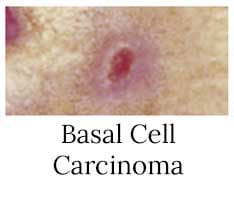
- Basal Cell Carcinoma (BCC): Most common; slow-growing, rarely spreads. Often appears as pearly bumps, pink patches, or non-healing sores.
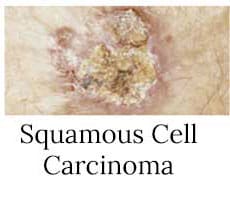
- Squamous Cell Carcinoma (SCC): Second most common; can spread if untreated. Looks like scaly red patches, warts, or open sores.
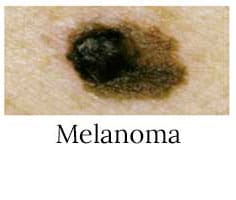
- Melanoma: Most dangerous form; can spread quickly. Arises from melanocytes and often starts in moles.
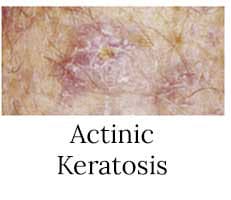
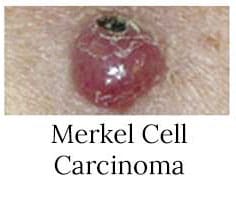
- Other types: Actinic keratosis (pre-cancerous), Merkel cell carcinoma (rare but aggressive).
Key Symptoms and Warning Signs (ABCDE Rule)
Perform monthly self-exams using the ABCDE rule for melanoma:
- A – Asymmetry: One half of the spot doesn’t match the other.
- B – Border: Irregular, scalloped, or poorly defined edges.
- C – Color: Varying shades (tan, brown, black, red, white, blue).
- D – Diameter: Larger than 6mm (pencil eraser size), though smaller spots can be concerning.
- E – Evolving: Changes in size, shape, color, or new symptoms like itching, bleeding, or crusting.
Also watch for the “ugly duckling” sign—any spot that looks different from your other moles.
Causes and Risk Factors
Primary cause: Ultraviolet (UV) radiation from the sun or tanning beds. Cumulative exposure damages DNA. Other risks include:
- Fair skin that burns easily, freckles, light hair/eyes
- History of 5+ sunburns (doubles melanoma risk)
- Family or personal history of skin cancer
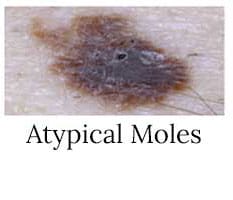
- Atypical (dysplastic) moles
- Weakened immune system or radiation exposure
Skin Cancer Screening: What to Expect
Monthly skin cancer screenings and self-exams are the foundation. Use a mirror to check your entire body, including scalp, between toes, and soles of feet. Take photos for comparison.
Professional full-body skin exams by a board-certified dermatologist are recommended annually, especially for high-risk individuals. During the exam:
- You’ll undress to a gown
- The doctor examines every inch of skin with good lighting and magnification
- Suspicious spots may be biopsied (quick, in-office procedure)
Early detection saves lives—dermatologists can identify issues invisible to the naked eye.
Prevention Strategies That Work
Prevention is always better than treatment:
- Apply broad-spectrum SPF 30+ sunscreen daily (reapply every 2 hours outdoors)
- Seek shade between 10 AM–4 PM
- Wear protective clothing, wide-brimmed hats, and UV-blocking sunglasses
- Never use tanning beds
- Avoid peak sun hours and check the UV index
Consistent habits dramatically lower your lifetime risk.
Treatment Overview
Treatment depends on type, size, and location but often includes:
- Surgical excision or Mohs surgery (high cure rates for BCC/SCC)
- Topical creams for superficial lesions
- Radiation, immunotherapy, or targeted therapy for advanced cases
Most early skin cancers are removed in-office with minimal scarring.
When to See a Dermatologist Immediately
Contact us today if you notice:
- Any changing, bleeding, or non-healing spot
- New or evolving moles
- Itching, pain, or tenderness in a lesion
- Personal or family history of skin cancer
Don’t wait—early intervention is key.
Frequently Asked Questions About Skin Cancer & Screening
How often should I get screened? Annual full-body exams for most adults; more frequent if high-risk.
Can skin cancer be cured? Yes—especially when detected early. Melanoma has a 99% 5-year survival rate if localized.
Does sunscreen really prevent skin cancer? Absolutely—daily use reduces risk significantly.
Are tanning beds safe? No—they significantly increase melanoma risk.
What does skin cancer look like on darker skin? May appear as dark spots, unusual patches, or under nails—regular checks are still vital.