
Psoriasis: Symptoms, Causes, Types, Treatment & Management
Psoriasis is a chronic autoimmune skin condition that causes rapid skin cell turnover, resulting in red, thickened plaques covered with silvery-white scale. It most commonly appears on the scalp, elbows, knees, and lower back, but can affect any area of the body. Psoriasis is not contagious. It has a strong genetic component and affects millions of Americans. While there is no cure, modern treatments effectively control symptoms and improve quality of life for most patients.
Common Symptoms of Psoriasis
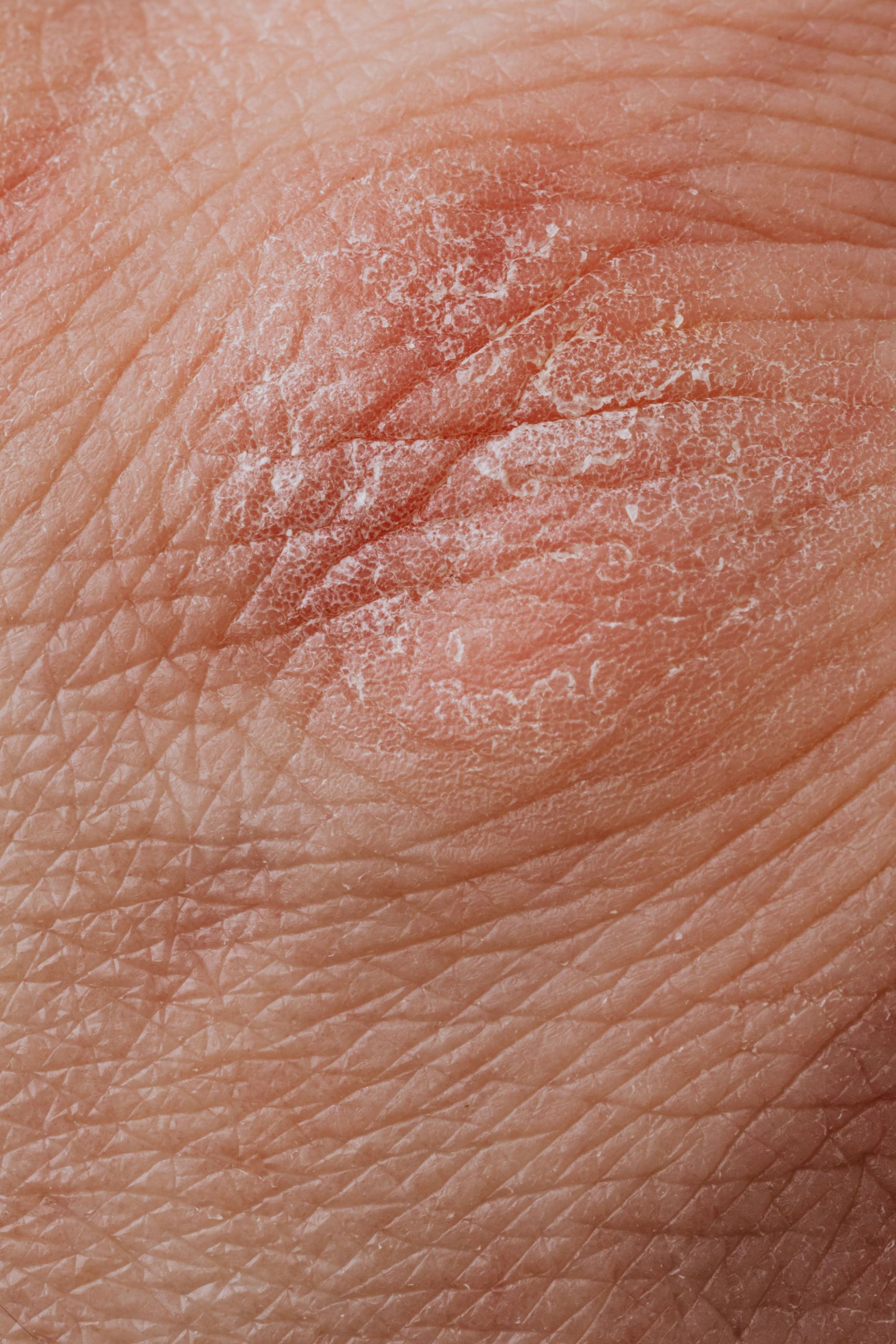
- Raised, red patches covered with silvery scale
- Dry, cracked skin that may bleed
- Itching, burning, or soreness
- Thickened or ridged nails
- Scalp involvement that can resemble severe dandruff
- Joint pain or stiffness (psoriatic arthritis in some patients)
Symptoms often cycle between flares and quieter periods.
Causes and Triggers
Psoriasis results from an overactive immune response involving T-cells that accelerate skin cell production. Genetics play a major role. Common triggers that can start or worsen flares include:
- Stress
- Skin injury (Koebner phenomenon)
- Infections (especially strep)
- Cold, dry weather
- Certain medications
- Smoking and heavy alcohol use
Main Types of Psoriasis
- Plaque psoriasis (most common)
- Scalp psoriasis
- Guttate psoriasis (small drop-like spots)
- Inverse psoriasis (in skin folds)
- Nail psoriasis
- Pustular or erythrodermic (less common, more severe)
Effective Treatment Options
Treatment is tailored to severity and location:
- Topical corticosteroids, vitamin D analogs, and retinoids
- Phototherapy (narrowband UVB)
- Systemic medications and biologics for moderate-to-severe disease
- Moisturizers and gentle skincare to support the barrier
- Lifestyle measures to reduce triggers
Many patients achieve clear or nearly clear skin with current therapies.
When to See a Dermatologist
Seek care for persistent plaques, scalp involvement, nail changes, joint symptoms, or when over-the-counter products fail. Early treatment reduces the risk of complications and improves long-term control.
Frequently Asked Questions
- Is psoriasis contagious? No.
- Can psoriasis be cured? There is no cure, but it is highly manageable.
- Does diet affect psoriasis? Some patients notice improvement with weight management and reduced alcohol.
- Is scalp psoriasis the same as dandruff? No—scalp psoriasis produces thicker, silvery scale and may require stronger treatment.
- Can psoriasis affect joints? Yes—up to 30% of patients develop psoriatic arthritis.
Psoriasis is a lifelong condition, but effective control is realistic with the right plan. Our board-certified dermatologists offer comprehensive evaluation and advanced treatment options. Request an appointment at Palmetto Skin and Laser Center. Call (803) 329-6030 or book online—clearer, more comfortable skin is achievable.