
Merkel Cell Carcinoma (MCC): Rare Aggressive Skin Cancer Symptoms, Causes, Treatment & Prognosis
Merkel cell carcinoma is a rare but aggressive neuroendocrine skin cancer that grows quickly and can spread to lymph nodes. It often appears in older adults on sun-exposed skin. Early detection and treatment improve outcomes significantly.
This page provides insights into “Merkel cell carcinoma symptoms,” “MCC treatment,” and related information.
Symptoms
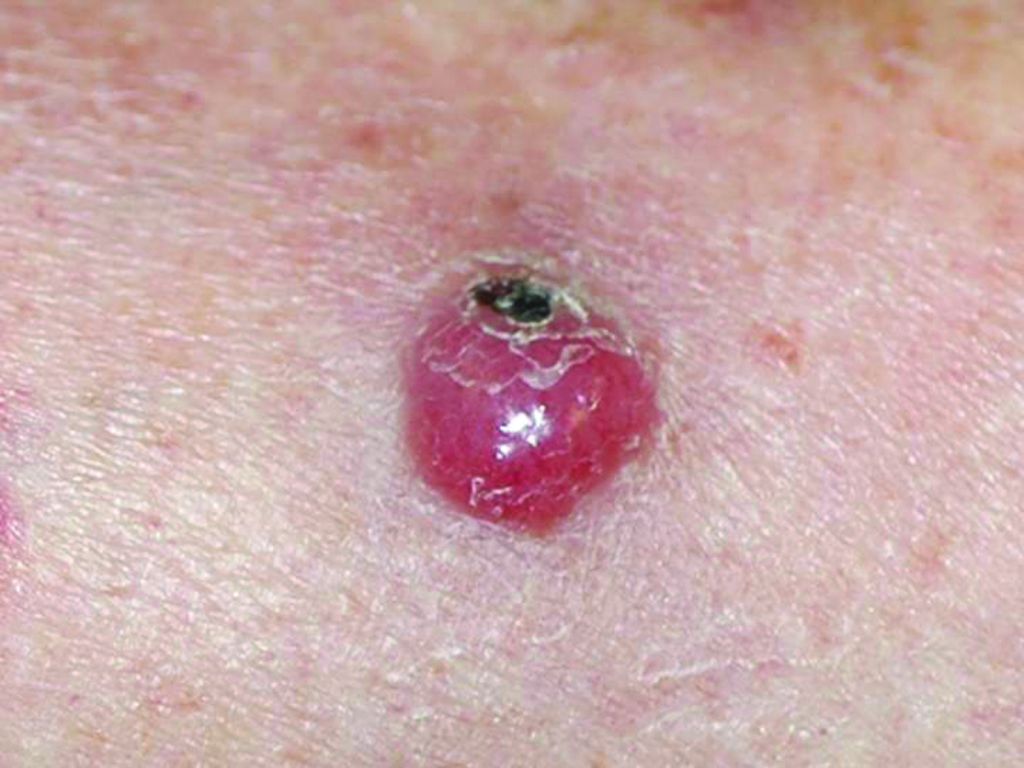
- Fast-growing, painless, firm nodule
- Red, pink, purple, or skin-colored bump, often shiny
- Usually on head, neck, or arms
Causes and Risks
UV exposure, age >50, fair skin, weakened immunity, and Merkel cell polyomavirus play roles.
Diagnosis and Treatment
Biopsy confirms diagnosis. Treatments include surgery (wide excision), lymph node evaluation, radiation, and immunotherapy (highly effective for advanced MCC).
Prevention and Outlook
Strict sun protection and prompt evaluation of new growths. 5-year survival ~79% for localized disease.
Frequently Asked Questions about Merkel Cell Carcinoma
Is Merkel cell carcinoma curable? Yes, especially when caught early. The 5-year survival rate for localized MCC is approximately 79%. Outcomes are poorer if it has spread to lymph nodes (around 66%) or distant organs (around 31%). Prompt treatment dramatically improves prognosis.
How likely is Merkel cell carcinoma to recur? MCC has a relatively high recurrence rate of about 40% within 5 years, with most recurrences happening in the first 2–3 years. Regular follow-up with skin exams and imaging is essential for early detection of any return.
Does Merkel cell carcinoma spread quickly? Yes — it is considered an aggressive cancer. It can spread to nearby lymph nodes and distant organs (liver, lungs, brain) faster than most other skin cancers. This is why rapid diagnosis and treatment are crucial.
Is Merkel cell carcinoma hereditary? MCC is not typically inherited. It is not passed directly from parents to children, although a family history of other skin cancers or certain genetic factors may play a minor indirect role. The main drivers are viral infection and UV damage.
What is the difference between Merkel cell carcinoma and melanoma? Both are aggressive skin cancers, but they arise from different cells (Merkel cells vs. melanocytes). MCC often appears as a fast-growing pink/purple bump rather than a changing mole. MCC has a stronger link to a virus and may respond very well to immunotherapy. Diagnosis requires different biopsy staining, and treatment approaches differ slightly.
Take Action
Any rapidly growing painless nodule warrants immediate dermatologist evaluation. Early intervention is lifesaving. Request an appointment with a Palmetto Skin Board-certified Dermatologist today.