
Basal Cell Carcinoma (BCC): Symptoms, Causes, Treatment & Early Detection Guide for Skin Cancer Patients
If you’ve noticed a shiny bump, non-healing sore, or reddish patch on your face, neck, ears, or hands, you may be dealing with basal cell carcinoma (BCC)—the most common form of skin cancer in the United States. BCC grows slowly, rarely spreads, and is highly treatable when caught early. This patient-focused guide is optimized for those searching “basal cell carcinoma symptoms,” “BCC treatment,” “basal cell carcinoma on face,” or “BCC causes and prevention.” It delivers clear, actionable information to help you take control and protect your skin.
BCC develops in the basal cells of the epidermis, usually in sun-exposed areas. While it’s rarely life-threatening, untreated tumors can become disfiguring. Early intervention guarantees minimal scarring and excellent outcomes—most people return to normal activities quickly after treatment.
What Does Basal Cell Carcinoma Look Like? Key Symptoms
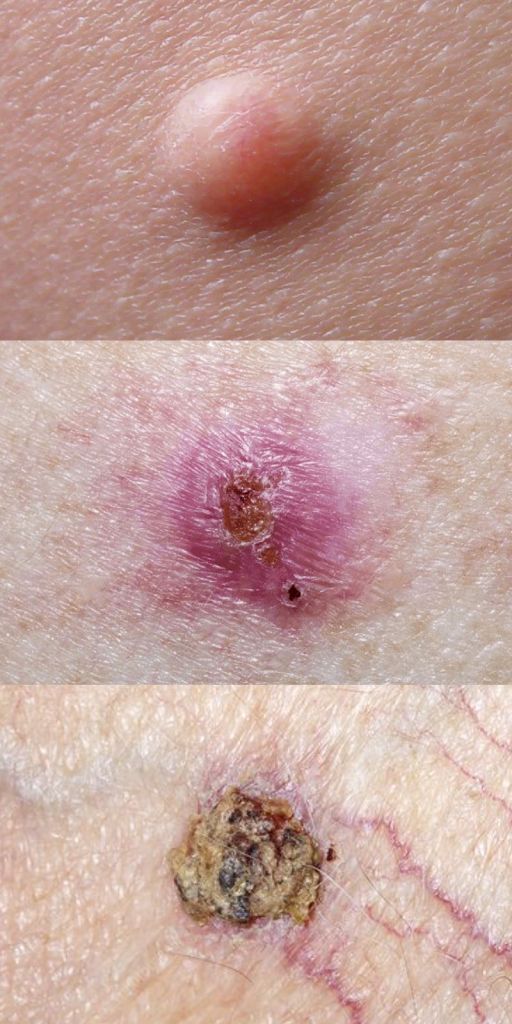
BCC often appears subtly at first. Common warning signs include:
- A shiny, skin-colored or pearly bump that’s translucent
- An open sore that bleeds, oozes, or crusts and doesn’t heal within weeks
- A reddish, irritated patch that may itch or hurt
- A pink growth with a rolled border and crusted center
- A white, yellow, or scar-like area that feels tight
These lesions can be small at first but grow over time. They most often appear on the face, ears, neck, scalp, and hands—areas of highest sun exposure.
Causes and Risk Factors for Basal Cell Carcinoma
The primary cause is long-term ultraviolet (UV) radiation from the sun or tanning beds, which damages DNA in basal cells. Other contributing factors include:
- Fair skin, light hair/eyes, or skin that burns easily
- Older age or history of outdoor work
- Chemical exposure, previous burns, scarring, or radiation
- Family or personal history of skin cancer
- Increasing incidence among younger adults due to cumulative sun damage
BCC is linked to mutations in the Hedgehog signaling pathway, but the good news is it’s largely preventable with smart sun habits.
How Is Basal Cell Carcinoma Diagnosed?
Our Board-certified dermatologists can often spot BCC during a visual skin exam. If suspicious, a quick in-office biopsy confirms the diagnosis by examining a small tissue sample under a microscope. Early diagnosis is key—don’t wait if you notice any changing or non-healing spot.
Effective Treatment Options for Basal Cell Carcinoma
Treatment is highly successful and tailored to the lesion’s size, location, and your overall health. Common options include:
- Mohs Micrographic Surgery: Gold-standard for facial BCC; removes cancer layer by layer with immediate microscopic checking. Cure rates reach 99% for new cases while preserving healthy tissue and minimizing scars.
- Surgical Excision: Removes the tumor plus a margin of healthy skin.
- Topical Medications: Creams for superficial BCC in select cases.
- Curettage and Electrodesiccation: Scraping and cauterizing for small, low-risk lesions.
- Radiation Therapy: For patients who can’t undergo surgery.
Most procedures are outpatient with local anesthesia. Recovery is fast, and cosmetic results are excellent when performed by our experienced Board-certified dermatologists.
Prevention and Daily Management Tips for BCC Patients
Protect your skin and reduce recurrence risk with these proven steps:
- Apply broad-spectrum SPF 30+ sunscreen daily and reapply every 2 hours outdoors
- Seek shade between 10 a.m. and 4 p.m.; wear protective clothing, hats, and UV-blocking sunglasses
- Never use tanning beds
- Perform monthly self-exams using mirrors and track changes with photos
- Schedule annual full-body skin checks, especially if you have risk factors
If you’ve already had BCC, regular follow-ups are essential—recurrence risk is higher but manageable with vigilance.
When to See a Dermatologist for Basal Cell Carcinoma
Contact a Palmetto Skin specialist immediately if you have a non-healing sore, new growth, or any skin change that persists beyond a few weeks. Early treatment prevents disfigurement and gives you the best cosmetic outcome.
Frequently Asked Questions About Basal Cell Carcinoma
Is basal cell carcinoma fatal? Rarely—BCC almost never spreads if treated early.
How long does BCC take to develop? It grows slowly over months to years.
Does BCC come back? It can recur; regular screenings help catch it fast.
Best treatment for facial BCC? Mohs surgery is preferred for its precision and high cure rate.
Can BCC be prevented? Yes—consistent sun protection dramatically lowers risk.
Take Action Against Basal Cell Carcinoma Today
Basal cell carcinoma is common but highly curable with prompt care. By recognizing symptoms early, choosing the right treatment, and committing to prevention, most patients enjoy clear, healthy skin for years.
If you’ve spotted a suspicious lesion or want peace of mind, request an appointment today with a board-certified dermatologist. Call (803) 329-6030 or complete the online form for same-day availability. Trust the experts who treat skin cancer every day—your skin health matters. Early detection truly changes everything. Stay protected and proactive for lifelong skin confidence!