
Actinic Keratosis (AK): Symptoms, Causes, Treatment & Prevention Guide
What causes actinic keratosis?
Actinic keratosisis caused by damage from repeated, prolonged sun exposure which causes skin damage. People with fair complexions are especially at risk. Sun-damaged skin becomes dry and wrinkled and may form rough, scaly spots called actinic keratosis.
These rough spots remain on the skin even after the crust or scale is picked or rubbed off. Treatment of actinic keratosis requires removal of the abnormal skin cells. New skin then forms to replace the sun-damaged skin.
Why treat actinic keratosis?
While actinic keratosisare not skin cancers, they are considered pre-cancers and approximately 15 percent of lesions will develop into squamous cell carcinoma.
Should you develop a suspicious growth or patch of skin, please call to request an appointment with one of our dermatologists immediately.
If you’ve noticed rough, scaly patches on your face, scalp, hands, or arms that feel like sandpaper, you may have actinic keratosis (AK)—also called solar keratosis. This extremely common precancerous condition affects millions of Americans and serves as a warning sign of future skin cancer if left untreated. While not cancer itself, 5–10% of AKs can progress to squamous cell carcinoma (SCC). Early treatment prevents progression and keeps your skin healthy.
This patient-focused guide is optimized for searches like “actinic keratosis symptoms,” “AK treatment,” “solar keratosis face,” and “how to prevent actinic keratosis.” It delivers clear, actionable steps for anyone concerned about sun-damaged skin.
What Does Actinic Keratosis Look Like? Key Symptoms
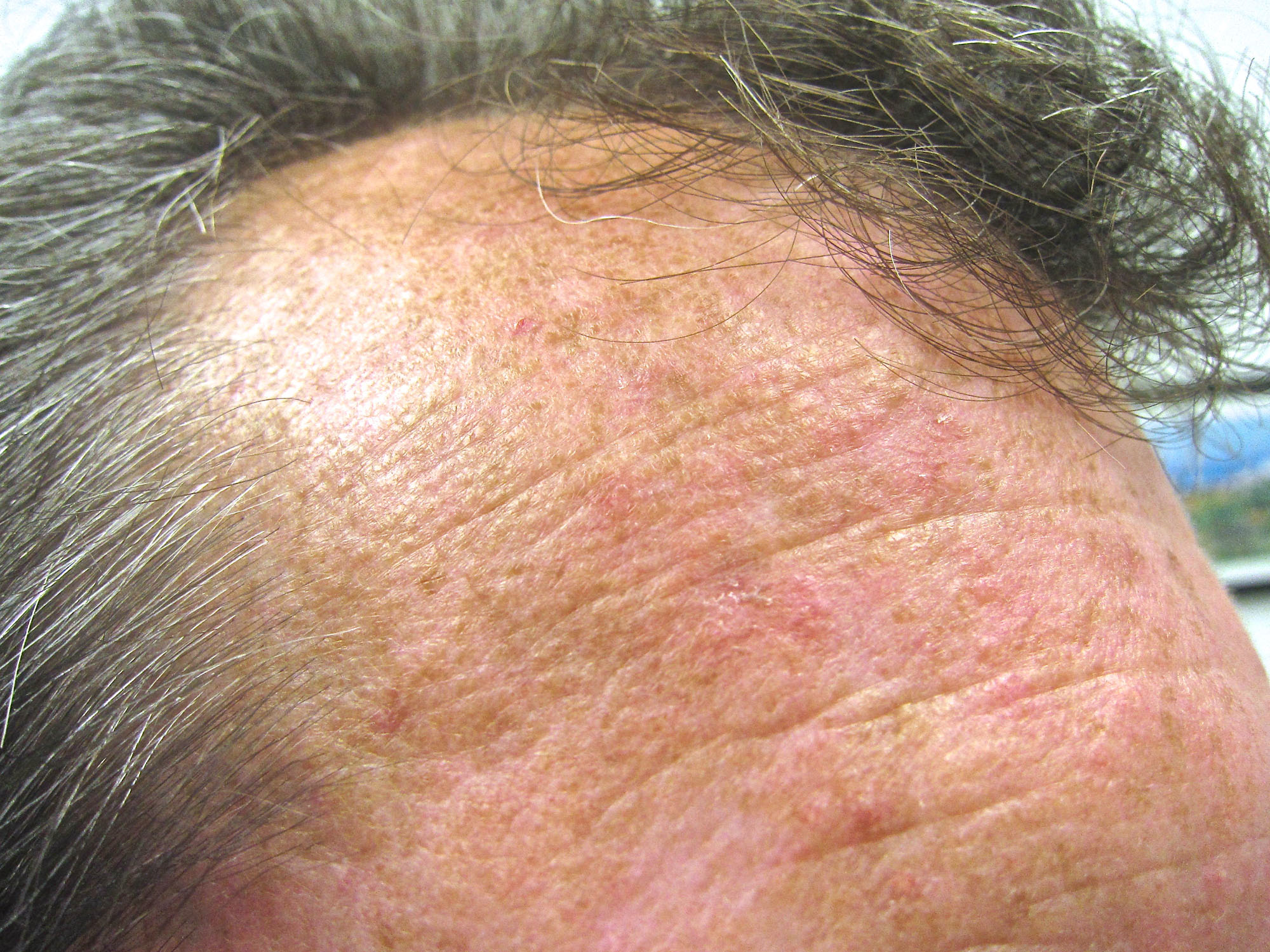
AK lesions are usually small (less than 1 inch) and appear on sun-exposed areas. Common signs include:
- Rough, dry, scaly patches that feel like sandpaper
- Flat or slightly raised bumps, often pink, red, tan, brown, or skin-colored
- Itching, burning, tenderness, or bleeding when scratched
- Wart-like or crusty texture
- Multiple spots that come and go or persist
They’re often easier to feel than to see. Lip AK (actinic cheilitis) appears as chapped, scaly lips that won’t heal.
Causes and Risk Factors for Actinic Keratosis
Prolonged ultraviolet (UV) radiation from the sun or tanning beds damages skin cell DNA, leading to abnormal keratinocyte growth. Major risk factors:
- Fair skin, light hair/eyes, or history of easy burning
- Age over 40 with cumulative sun exposure
- Outdoor occupations or frequent tanning
- Weakened immune system or previous skin cancer
- Living in sunny climates
AK is a clear marker of significant lifetime UV damage.
How Is Actinic Keratosis Diagnosed?
Palmetto Skin Board-certified Dermatologists diagnose AK through visual exam and touch. A skin biopsy may confirm if the lesion looks suspicious for progression to cancer. Regular full-body checks catch AK early.
Effective Treatment Options for Actinic Keratosis
Multiple effective treatments exist—your dermatologist will choose based on number, location, and severity:
- Cryotherapy: Liquid nitrogen freezing (quick, in-office, highly effective for isolated spots)
- Topical Medications: 5-fluorouracil (5-FU), imiquimod, diclofenac, or ingenol mebutate creams applied at home
- Photodynamic Therapy (PDT): Light-activated treatment for multiple lesions
- Chemical Peels or Curettage: For thicker or stubborn AKs
- Laser resurfacing: For widespread facial damage
Most treatments cause temporary redness and peeling but effectively clear lesions and reduce cancer risk.
Prevention and Daily Management Tips
Prevention is the best strategy:
- Apply broad-spectrum SPF 30+ sunscreen daily, reapplying every 2 hours outdoors
- Seek shade, especially 10 a.m.–4 p.m.; wear hats, protective clothing, and UV sunglasses
- Avoid tanning beds completely
- Perform monthly skin self-exams and schedule annual professional screenings
- Use lip balm with SPF
Consistent sun protection dramatically lowers new AK development.
When to See a Dermatologist
See one of our Board-certified medical specialists promptly for any new rough, scaly, or non-healing spot on sun-exposed skin. Early action prevents progression to SCC.
Frequently Asked Questions About Actinic Keratosis
Can actinic keratosis turn into cancer? Yes—some progress to SCC, making treatment important.
Do AKs go away on their own? Some may, but most persist without treatment.
Best treatment for multiple AKs? Field therapies like topical creams or PDT work well.
Is AK contagious? No—it results from sun damage.
How to prevent new AKs? Daily sun protection and regular dermatology visits.
Take Action Against Actinic Keratosis Today
Actinic keratosis signals sun damage and potential skin cancer risk, but it’s highly manageable. With prompt treatment and strong prevention habits, you can clear lesions and protect your skin long-term.
If you’ve noticed suspicious patches, don’t wait—request an appointment with a board-certified dermatologist today for expert evaluation and personalized care. Early intervention keeps your skin healthy and cancer-free. Stay protected and proactive for beautiful, resilient skin!