
Atypical Moles (Dysplastic Nevi): Melanoma Risk, Monitoring & Management for Skin Cancer Patients
If you have a personal history of basal cell carcinoma, squamous cell carcinoma, or melanoma, atypical moles (dysplastic nevi) deserve special attention. These irregular moles are common markers of increased melanoma risk and require vigilant monitoring. While atypical moles themselves are benign, having multiple ones—especially with prior skin cancer—significantly elevates your lifetime risk of developing melanoma. Early detection and consistent surveillance give you the best protection.
This comprehensive guide is optimized for patients searching “atypical moles melanoma risk,” “dysplastic nevi after skin cancer,” “atypical mole monitoring,” and “mole checks for skin cancer survivors.” It provides practical, actionable information tailored to those already navigating skin cancer.
What Are Atypical Moles and How Do They Look?
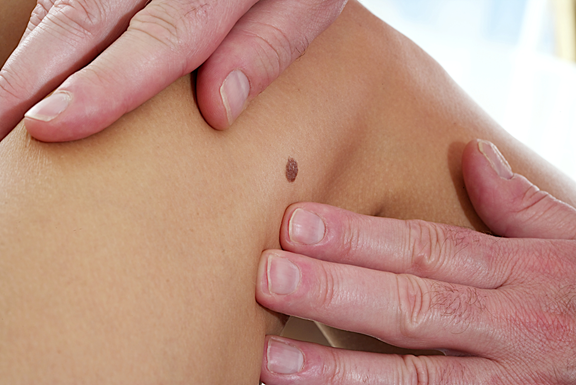
Atypical moles differ from ordinary moles in size, shape, color, and border. Key features include:
- Larger than 6 mm (pencil eraser size)
- Irregular or asymmetrical shape with notched or blurred borders
- Varied colors (shades of brown, tan, black, red, or pink)
- Flat or slightly raised with a “fried egg” appearance
They commonly appear on the back, chest, scalp, and extremities. In skin cancer patients, new or changing atypical moles can signal heightened risk and warrant immediate professional evaluation.
Why Atypical Moles Matter for Skin Cancer Patients
Having 5 or more atypical moles increases melanoma risk 6–10 times. For those with a previous melanoma diagnosis, the risk is even higher. Atypical moles serve as both a warning sign and a reminder of significant lifetime UV damage or genetic predisposition. Regular monitoring helps distinguish harmless changes from early melanoma.
The ABCDE Rule for Self-Monitoring
Perform monthly self-exams using the ABCDE rule:
- Asymmetry: One half doesn’t match the other
- Border: Irregular, scalloped, or poorly defined
- Color: Multiple colors or uneven distribution
- Diameter: Larger than 6 mm (smaller changes still matter)
- Evolving: Any change in size, shape, color, elevation, or new symptoms (itching, bleeding, crusting)
Photograph suspicious moles for comparison and track changes in a journal. Learn more about skin cancer screenings.
Professional Monitoring and Diagnosis
Skin cancer patients should have full-body skin exams every 3–6 months (or as recommended). Our Dermatologists use dermoscopy and total body photography for high-risk individuals. Suspicious atypical moles may be biopsied to rule out melanoma. Early biopsy provides peace of mind and enables prompt treatment if needed.
Management and Prevention Strategies
- Daily broad-spectrum SPF 30+ sunscreen (reapply every 2 hours)
- Protective clothing, hats, and shade-seeking behavior
- Avoid tanning beds completely
- Gentle skincare to prevent irritation around moles
- Consistent follow-up with your dermatologist
For skin cancer survivors, these habits not only lower new melanoma risk but also support overall skin recovery.
When to Contact Our Dermatologists Immediately
Seek our care right away for any atypical mole that:
- Changes rapidly
- Bleeds, itches, or becomes painful
- Looks different from your other moles (“ugly duckling” sign)
- Appears after previous skin cancer treatment
Frequently Asked Questions About Atypical Moles
Do atypical moles turn into melanoma? Most do not, but they indicate higher risk—especially with prior skin cancer.
How many atypical moles are too many? More than 4–5 significantly raises concern and usually requires closer surveillance.
Can atypical moles be removed? Yes, if highly suspicious or for cosmetic reasons, but most are monitored.
Does having atypical moles mean I will get melanoma again? Not necessarily, but it increases risk—regular screenings are key to early detection.
Best way to monitor moles after skin cancer? Combine monthly self-exams, professional photography, and frequent dermatology visits.
Take Control of Your Skin Cancer Journey Today
Living with atypical moles after a skin cancer diagnosis can feel overwhelming, but structured monitoring and prevention empower you. By staying vigilant with self-exams, professional screenings, and sun protection, you greatly reduce the chance of new or recurrent skin cancers.
Schedule your next full-body mole evaluation at Palmetto Skin and Laser Center. Our team specializes in high-risk skin cancer surveillance and provides compassionate, expert care. Early detection saves lives—book your appointment today and gain confidence in your skin health.