
Grover’s Disease: Symptoms, Causes, Diagnosis
If you’re searching for answers about that sudden, intensely itchy rash on your chest, back, or upper arms, you’re likely dealing with Grover’s disease—also known as transient acantholytic dermatosis (TAD). This benign but frustrating skin condition affects thousands of people each year, primarily middle-aged and older men. As a patient-focused guide optimized for real-life relief, we’ll cover everything you need to know: from early symptoms and triggers to proven treatments and practical self-care strategies that actually work.
Whether you’re newly diagnosed or managing recurring flares, this article delivers clear, actionable advice. Grover’s disease isn’t contagious, isn’t hereditary, and usually isn’t a sign of something more serious—but the relentless itch can disrupt sleep, work, and quality of life. Let’s break it down step by step so you can take control today.
What does Grover’s Disease look like?
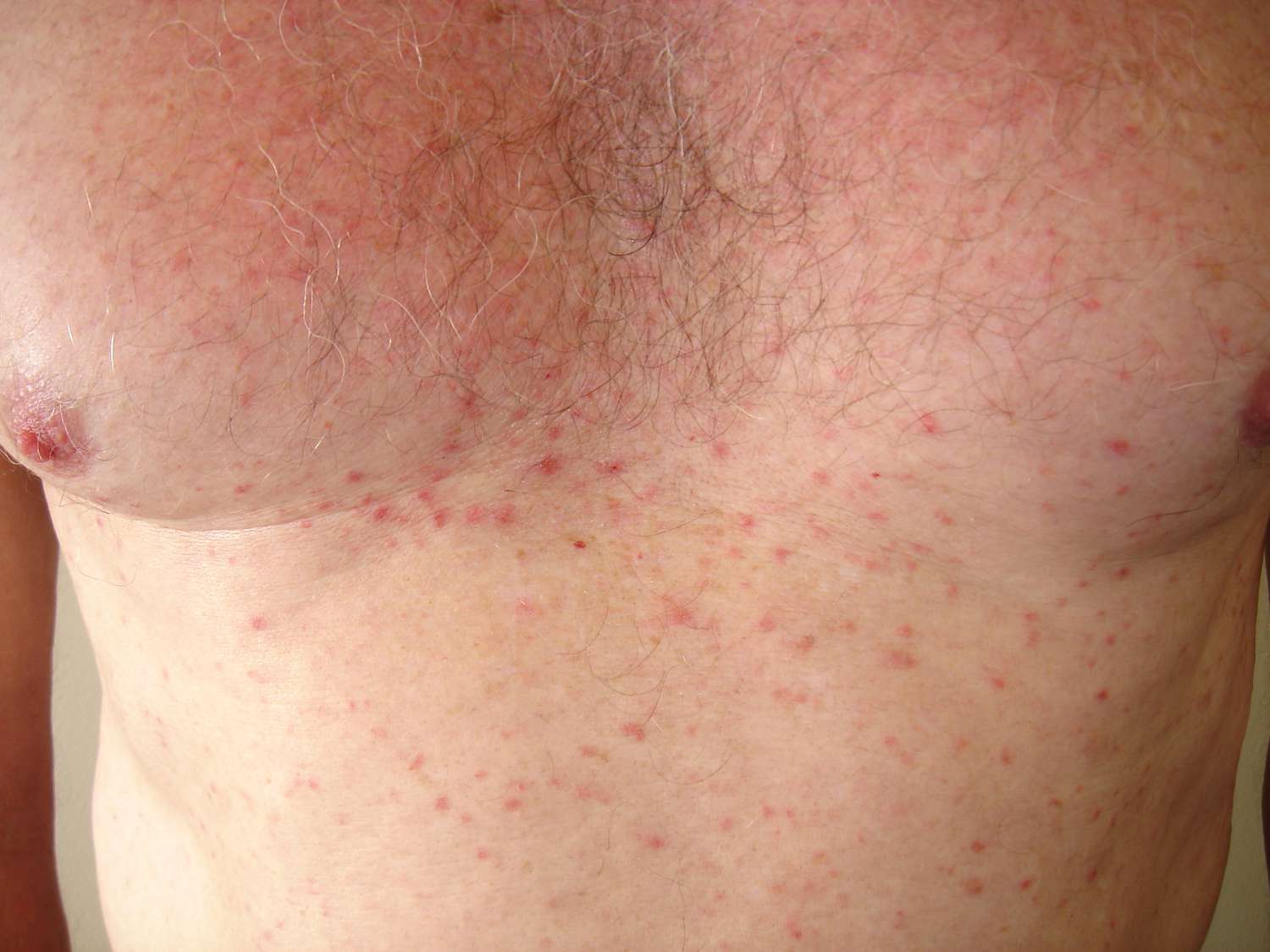
What Are the Symptoms of Grover's Disease?
Grover's disease typically appears as clusters of small, firm, raised bumps (papules) or tiny blisters (papulovesicles) on the trunk—especially the central chest, middle back, and sometimes the arms. These lesions are often red, flesh-colored, or slightly darker, with a possible tiny scab or scale in the center. The hallmark symptom? Intense itching that can keep you up at night and feel almost unbearable during flares.
Symptoms usually strike suddenly and may last 2–12 weeks in mild cases, though some people experience chronic or recurrent episodes lasting months or years. The rash rarely spreads below the waist or to the face. If you're over 50, male, or have fair skin with a history of sun exposure, you're in the most common demographic—though women and younger adults can develop it too.
Common Causes and Triggers to Avoid
The exact cause of Grover's disease remains unknown, but dermatologists link it to sweat gland occlusion and disrupted skin cell adhesion (acantholysis visible on biopsy). Major triggers include:
- Heat and excessive sweating
- Prolonged bed rest or hospitalization
- Sun exposure or UV light
- Dry skin (especially winter xerosis)
- Certain medications like chemotherapy drugs
- Ionizing radiation or extreme temperature swings
Understanding your personal triggers is key to prevention. Many patients notice flares after hot tubs, heavy workouts, or long hospital stays.
How Is Grover's Disease Diagnosed?
One of Palmetto Skin's Board Certified dermatologists usually diagnoses Grover's disease through a physical exam and medical history. A simple skin biopsy—removing a tiny sample under local anesthetic—confirms it by showing characteristic acantholysis and dyskeratotic cells (corps ronds and grains) under the microscope. This rules out similar conditions like eczema, fungal infections, or other papular rashes. Early diagnosis means faster relief, so don't hesitate to see a board-certified dermatologist if the itch persists beyond a couple of weeks.