
Onychomycosis (Nail Fungus): Symptoms, Causes, Treatment & Prevention
Onychomycosis, commonly known as nail fungus, is a persistent fungal infection of the fingernails or toenails. It affects millions of people and is more common in toenails due to warm, moist environments. For individuals dealing with onychomycosis, the condition can be embarrassing and difficult to treat, but early intervention leads to better outcomes and prevents spread to other nails or skin.
What Are the Symptoms of Onychomycosis?
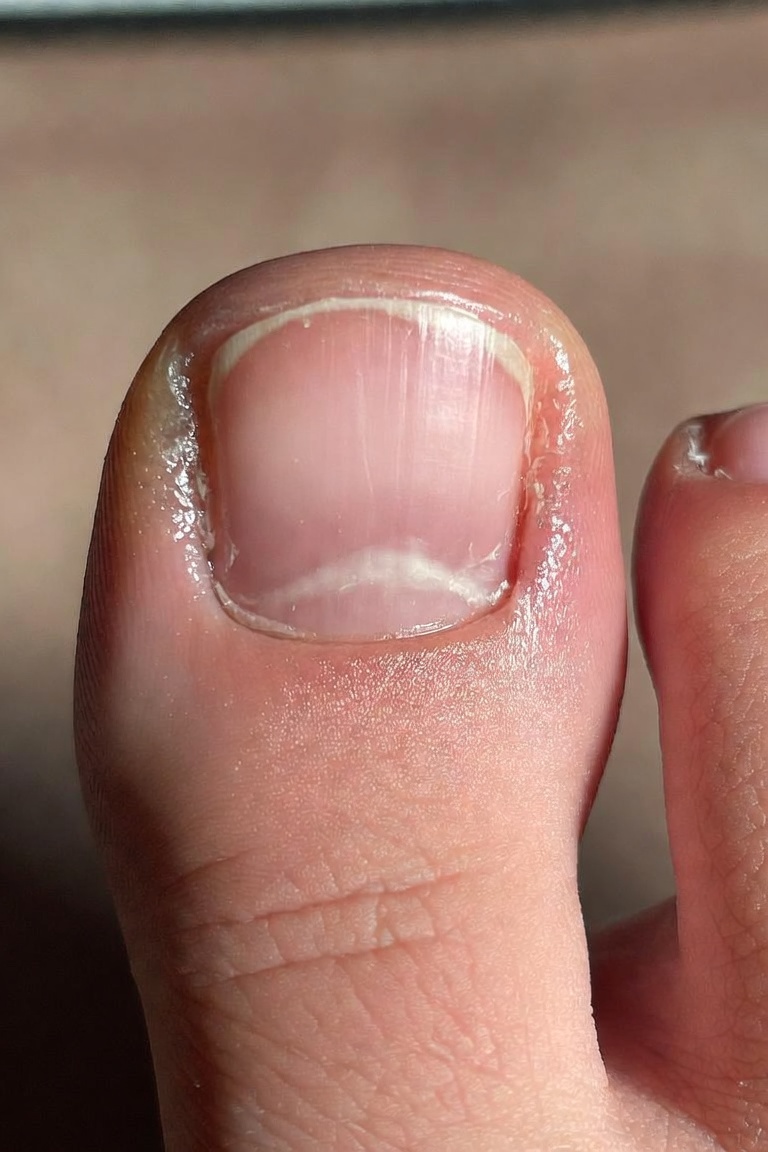
Common signs include:
- Thickened, brittle, or crumbly nails
- Yellow, white, brown, or black discoloration
- Distorted nail shape or lifting from the nail bed
- Foul odor from the affected nail
- Rough, ragged edges or debris under the nail
Symptoms often start at the tip or sides and spread. In advanced cases, the nail may separate completely.
Causes and Risk Factors
Onychomycosis is primarily caused by dermatophyte fungi, though yeasts and molds can also be responsible. Risk factors include:
- Walking barefoot in public areas (pools, gyms, locker rooms)
- Wearing tight shoes or damp socks
- Previous nail injury or skin conditions like athlete’s foot
- Age, diabetes, poor circulation, or weakened immune system
- Genetics and frequent moisture exposure
The fungus thrives in warm, damp environments and invades through small cracks in the nail or skin.
How is Onychomycosis Diagnosed?
A dermatologist diagnoses onychomycosis through visual exam, nail clippings for fungal culture, or biopsy. Accurate diagnosis rules out similar conditions like psoriasis or trauma and guides effective treatment.
Treatment Options
Treatment can take months because nails grow slowly:
- Topical antifungals: Nail lacquers or creams for mild cases
- Oral medications: Terbinafine or itraconazole for more severe infections
- Laser therapy: Promising non-drug option
- Surgical removal: For very stubborn cases
Consistency and patience are key—full results may take 6–12 months as the healthy nail grows out.
Prevention Tips for Onychomycosis
- Keep feet clean and dry; change socks frequently
- Wear breathable shoes and shower shoes in public areas
- Trim nails straight across and avoid injury
- Treat athlete’s foot promptly
- Disinfect nail tools after use
When to See a Dermatologist
If you notice nail changes, especially with diabetes or circulation issues, contact a Palmetto Skin professional today. Early treatment prevents worsening and spread.
Frequently Asked Questions
- Is onychomycosis contagious? Yes—it can spread to other nails or people.
- Can nail fungus be cured? Yes, with proper treatment, though recurrence is common without prevention.
- How long does treatment take? 3–12 months depending on severity and method.
- Best home remedy? Keep nails dry and clean, but professional care is most effective.
- Does diet help? No direct cure, but a healthy immune system supports recovery.
Onychomycosis is frustrating but manageable. Consistent treatment and prevention habits lead to clearer, healthier nails. For personalized care, request an appointment at Palmetto Skin and Laser Center. Call (803) 329-6030 or book online—expert help is available to restore your nails and confidence.