
Seborrheic Keratoses: Symptoms, Causes & Safe Removal Options
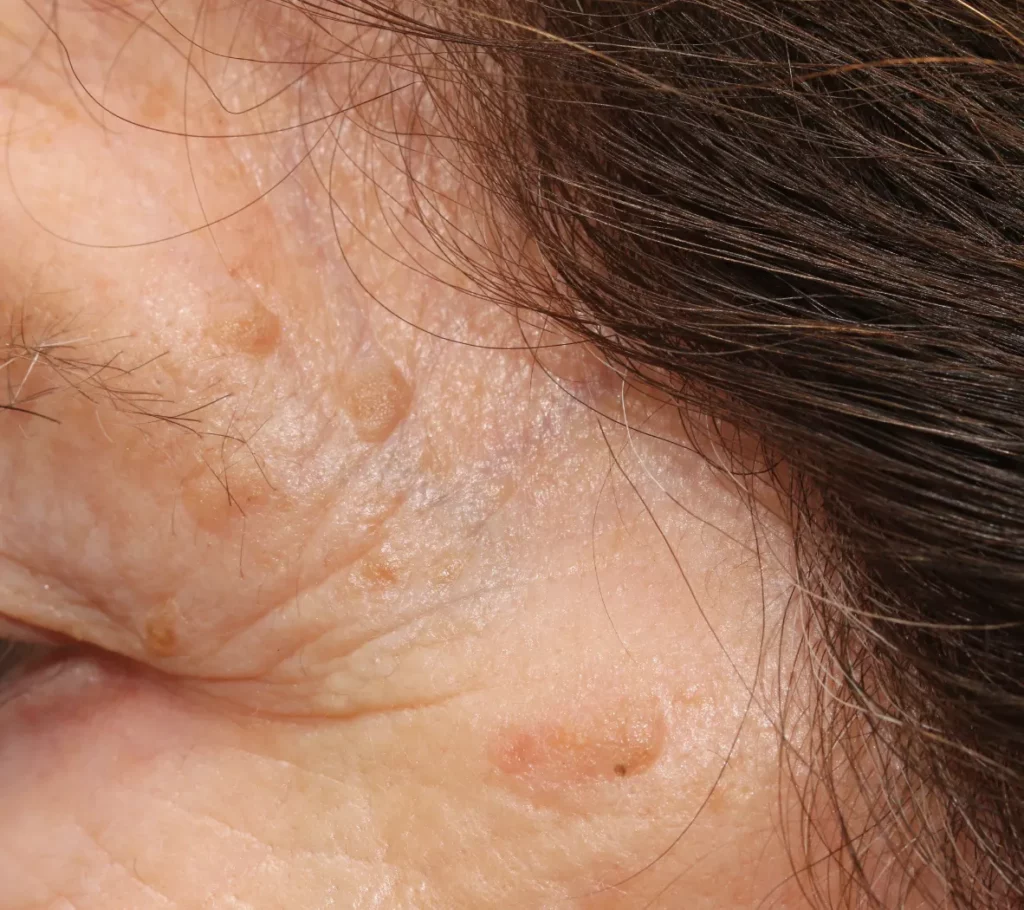
Seborrheic keratoses are very common, benign skin growths that typically appear after age 40. Often called “age spots” or “wisdom warts,” they are harmless and not contagious. Many people develop multiple seborrheic keratoses over time, especially on the back, chest, face, and scalp. While they pose no cancer risk, they can be cosmetically bothersome or become irritated by clothing or shaving.
What Do Seborrheic Keratoses Look Like?
Typical features include:
- Waxy, stuck-on, or warty appearance
- Tan, brown, black, or skin-colored
- Round or oval shape, often with a rough or scaly surface
- Size ranging from very small to over an inch
- Usually multiple and painless
They can resemble warts or skin cancer, so professional evaluation is recommended for new or changing growths.
Causes and Risk Factors
The exact cause is unknown, but genetics, age, and sun exposure play roles. They are more common in older adults and tend to run in families. Unlike actinic keratoses, seborrheic keratoses are not precancerous.
When and How to Remove Seborreheic Keratoses
Most do not require treatment. Removal is considered for cosmetic reasons, irritation, or diagnostic uncertainty. Options include:
- Cryotherapy (freezing with liquid nitrogen)
- Curettage or shave excision
- Laser therapy for precise removal
These in-office procedures are quick with minimal downtime and excellent cosmetic results.
Prevention and Daily Care
There is no sure prevention, but daily broad-spectrum sunscreen and gentle skincare may slow new growths. Avoid picking or irritating lesions.
When to See a Dermatologist
Consult a specialist for any new or changing skin growth, especially if it itches, bleeds, or looks suspicious. A dermatologist can confirm the diagnosis and discuss removal options.
Frequently Asked Questions
- Are seborrheic keratoses cancerous? No—they are benign.
- Can they be prevented? Sun protection may help reduce new ones.
- Do they come back after removal? Removed ones usually do not, but new ones can appear.
- Is removal covered by insurance? Often yes if irritated or for diagnosis.
- Best treatment for facial seborrheic keratoses? Gentle methods like cryotherapy or laser for minimal scarring.
Seborrheic keratoses are a normal part of aging for many people. For peace of mind or cosmetic removal, request an appointment at Palmetto Skin and Laser Center. Call (803) 329-6030 or book online—expert evaluation and treatment are available to keep your skin looking its best.