
Tinea Versicolor: Symptoms, Causes, Treatment & Prevention
Tinea versicolor is a common fungal skin infection caused by an overgrowth of yeast normally present on the skin. It leads to discolored, scaly patches that are often lighter or darker than surrounding skin. The condition is harmless but can be cosmetically bothersome and tends to recur, especially in warm, humid climates. It is not contagious and affects people of all ages, though it is more common in teens and young adults.
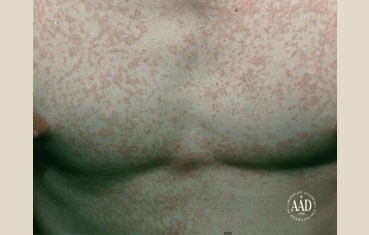
What Does Tinea Versicolor Look Like?
Typical symptoms include:
- Pink, tan, brown, or white scaly patches
- Most common on chest, back, neck, and upper arms
- Mild itching, especially when hot or sweaty
- Patches that do not tan with sun exposure
The rash can appear suddenly and may spread over time.
Causes and Risk Factors
The precise cause remains unclear, but a viral trigger is suspected. It is more common in spring and fall and tends to affect people aged 10–35. It is not related to diet, stress, or hygiene and does not leave permanent marks in most cases.
Duration and Treatment
The yeast Malassezia overgrows in oily areas of the skin. Risk factors include hot/humid weather, oily skin, sweating, and weakened immune system. It is not caused by poor hygiene.
Effective Treatment Options
Treatment focuses on reducing yeast overgrowth:
- Over-the-counter or prescription antifungal shampoos (selenium sulfide, ketoconazole) used as body washes
- Topical antifungal creams
- Oral antifungals for widespread or recurrent cases
- Maintenance therapy to prevent recurrence
Improvement is often seen within weeks, but pigmentation changes may take longer to normalize.
Prevention and Daily Care Tips
- Use antifungal shampoo weekly as maintenance in humid seasons
- Keep skin dry and wear breathable clothing
- Avoid excessive oil-based products
- Shower after sweating
- Maintain good overall skin hygiene
When to See a Dermatologist
Seek care for persistent or widespread rash, significant itching, or if over-the-counter treatments fail. A dermatologist can confirm the diagnosis and recommend stronger options.
Frequently Asked Questions
- Is tinea versicolor contagious? No—it is caused by yeast already on your skin.
- How long does tinea versicolor last? It clears with treatment, but pigmentation may take months to even out.
- Can tinea versicolor come back? Yes—recurrence is common without maintenance.
- Best treatment for tinea versicolor? Antifungal washes are often first-line and effective.
- Does tinea versicolor scar? No—it does not cause scarring.
Tinea versicolor is treatable and preventable with consistent care. For personalized treatment and faster results, request an appointment at Palmetto Skin and Laser Center. Call (803) 329-6030 or book online—expert help is available to restore even skin tone and confidence.