
Itchy Skin
Itchy Skin (Pruritus): Causes, Symptoms, Relief & Proven Management Strategies for Fast Comfort
That relentless urge to scratch—whether on your arms, legs, back, or all over—can disrupt sleep, work, and daily life. Itchy skin, medically known as pruritus, affects millions worldwide and ranges from mild annoyance to an intense, debilitating symptom. As a comprehensive patient guide optimized for those searching “itchy skin relief,” “causes of itchy skin,” or “how to stop pruritus,” this page delivers clear, actionable insights from trusted dermatological sources.
Whether your skin looks normal, dry, scaly, or rash-covered, understanding the root cause is the first step to lasting relief. Itchy skin is often benign but can signal underlying issues. Let’s explore symptoms, triggers, treatments, and daily strategies that actually work.
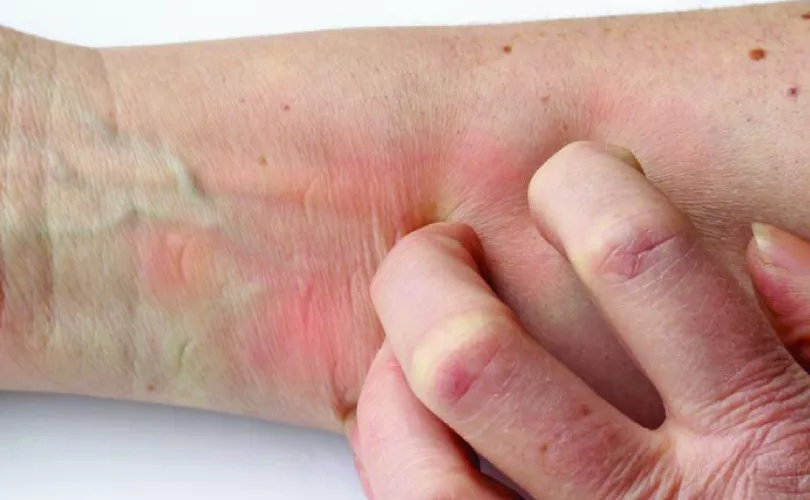
What Does Itchy Skin Feel Like? Common Symptoms
Itchy skin presents as an irritating sensation that triggers the need to scratch. It may affect small areas or your whole body. Accompanying signs include:
- Redness, dryness, or flaking
- Raised bumps, hives, or blisters
- Scaling, cracking, or thickened skin from chronic scratching
- Secondary infections if scratching breaks the skin
Symptoms can worsen at night, after showers, or in specific environments. Older adults often experience more intense pruritus due to naturally drier skin.
Top Causes and Triggers of Itchy Skin
Dry skin (xerosis) tops the list as the most common culprit, especially in winter or low-humidity settings. Other frequent causes include:
Skin Conditions:
- Eczema (atopic dermatitis)
- Psoriasis
- Contact dermatitis (from irritants like soaps, detergents, or jewelry)
- Hives or allergic reactions
External Triggers:
- Insect bites, poison ivy, or scabies
- Heat, sweat, or sun exposure
- Harsh chemicals, fragrances, or wool clothing
Internal Factors:
- Allergies to foods, medications, or pollen
- Systemic issues like kidney/liver disease, thyroid problems, or diabetes
- Pregnancy, stress, or certain cancers (rarely)
Medications (e.g., opioids, statins) or infections can also trigger pruritus. Identifying your personal triggers through a symptom diary helps prevent flares.
How Is Itchy Skin Diagnosed?
Diagnosis starts with a thorough history and physical exam by a dermatologist. They’ll ask about onset, location, triggers, and associated symptoms. Tests may include:
- Skin scraping or biopsy
- Blood work for underlying conditions
- Patch testing for allergies
Early professional evaluation rules out serious causes and speeds effective treatment.
Daily Management Tips to Prevent and Control Itchy Skin
Lifestyle changes deliver powerful results:
- Moisturize aggressively — Thick creams or ointments work better than lotions for dry skin
- Shower smart — Limit to 10 minutes with lukewarm water; pat dry gently
- Choose fabrics wisely — Opt for loose, breathable cotton; avoid wool and synthetics
- Control environment — Use a humidifier, keep rooms cool, and trim nails short to minimize damage from scratching
- Natural soothers — Colloidal oatmeal baths, cool compresses, or aloe vera gel provide quick calm
- Diet and habits — Stay hydrated, manage stress, and avoid known food or environmental allergens
For many, combining these habits with targeted treatments reduces episodes dramatically.
When to See a Dermatologist for Itchy Skin
Contact a professional if:
- Itch lasts more than 2 weeks despite home care
- You develop open sores, infection, or significant sleep disruption
- Itchy skin accompanies fatigue, weight loss, jaundice, or other systemic symptoms
- Rash spreads rapidly or affects genitals/eyes
Most cases resolve with proper care, but persistent pruritus deserves expert attention to address root causes.
Frequently Asked Questions About Itchy Skin
What is the fastest way to relieve itchy skin? Cool compresses, oatmeal baths, and moisturizers often bring quick relief within minutes.
Can itchy skin be serious? Usually not, but chronic unexplained pruritus may indicate internal issues—see a doctor.
Does diet affect itchy skin? Yes—staying hydrated and reducing spicy foods or allergens can help some people.
Is itchy skin contagious? Generally no, unless caused by scabies or certain infections.
Best lotion for itchy skin? Fragrance-free, ceramide-rich options like those designed for eczema.