
Allergic Contact Dermatitis: Symptoms, Causes, Treatment & Prevention
“Allergic contact dermatitis” is a delayed immune reaction that develops when your skin touches a substance (allergen) that triggers your immune system. Unlike irritant dermatitis, it requires prior sensitization and typically appears 24–72 hours after exposure. Common triggers include poison ivy, poison oak, poison sumac, nickel in jewelry, latex, hair dyes, neomycin, fragrances, and many skincare products. The resulting itchy, red, sometimes blistering rash can take days to weeks to resolve even after the allergen is removed.
What Does Allergic Contact Dermatitis Look Like?
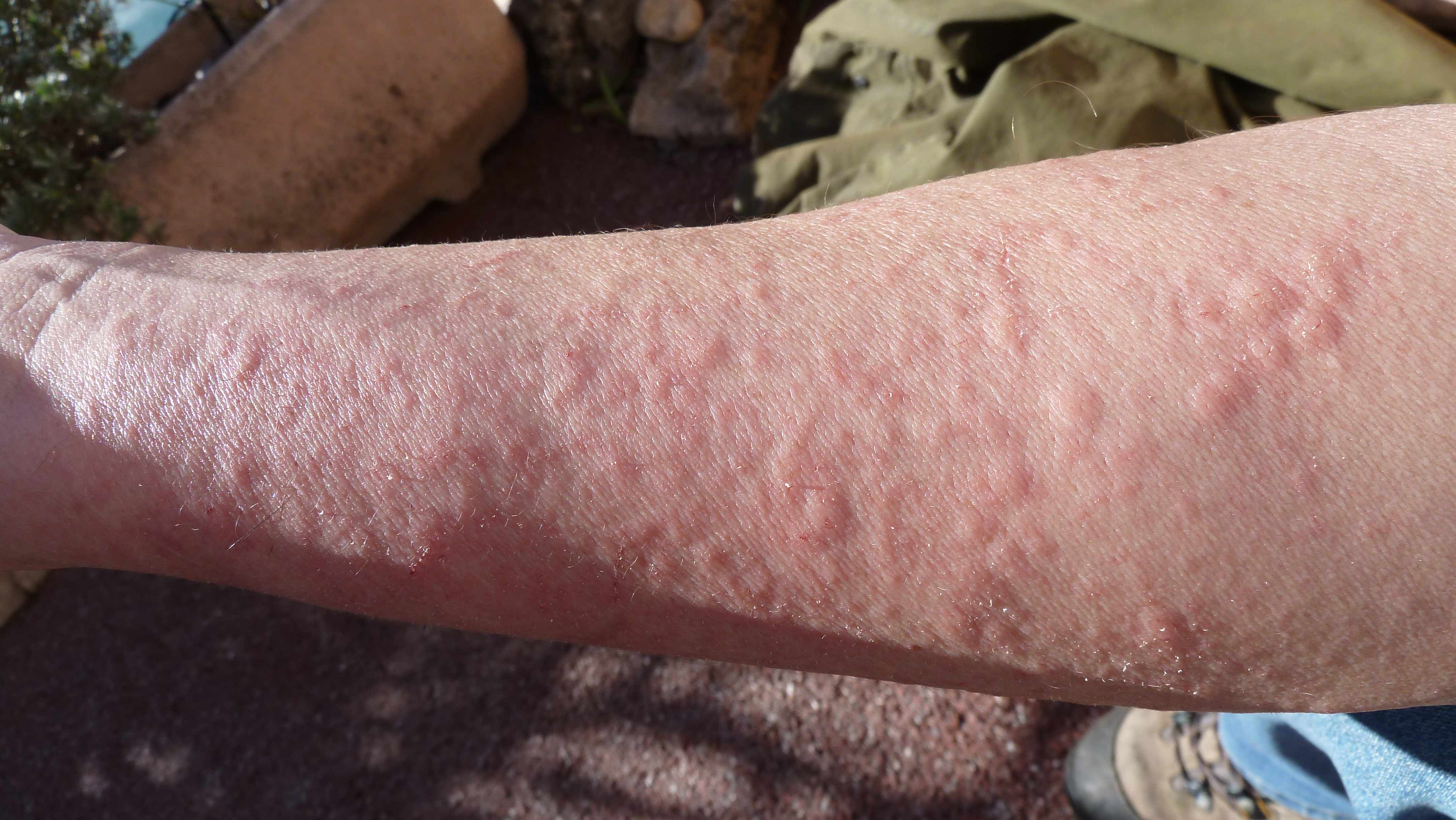
Typical signs include:
- Intense itching (often worse than pain)
- Red, inflamed, or darkened patches
- Swelling, blisters, or weeping in acute cases
- Dry, scaly, or thickened (lichenified) skin in chronic cases
- Well-demarcated areas that match the site of contact (hands, face, eyelids, neck, or waistband)
The rash may spread beyond the original contact site if the allergen is transferred by hands.
Common Allergens and Risk Factors
Frequent culprits:
- Plants (poison ivy/oak/sumac)
- Metals (nickel, cobalt, chromates)
- Fragrances and preservatives in cosmetics and lotions
- Hair dyes, rubber/latex, topical antibiotics (neomycin)
- Occupational exposures (health-care workers, hairdressers, metalworkers)
People with a history of atopic dermatitis or previous sensitizations are at higher risk.
Diagnosis and Treatment
Accurate diagnosis often requires patch testing—the gold standard for identifying specific allergens. Treatment focuses on:
- Strict avoidance of the identified allergen
- Topical corticosteroids to calm inflammation
- Emollients and barrier repair
- Short courses of oral steroids for severe or widespread cases
- Antihistamines for itch relief
Once the allergen is removed and treatment begins, most patients improve significantly within 1–3 weeks.
Prevention Tips
- Read product labels carefully and choose fragrance-free, hypoallergenic options
- Wear protective gloves when handling potential allergens
- Wash skin promptly after known exposures (especially plants)
- Avoid reusing contaminated clothing or tools
- Consider patch testing if you have recurrent unexplained rashes
When to See a Dermatologist
Seek care for persistent or recurrent rashes, facial involvement, secondary infection, or when over-the-counter treatments fail. Early identification of the allergen prevents chronic problems and improves quality of life.
Frequently Asked Questions
- Is allergic contact dermatitis contagious? No.
- How long does it last? Days to weeks after allergen removal; chronic exposure prolongs it.
- Can it be cured? Symptoms resolve with avoidance; the allergy itself is lifelong.
- What is the difference from irritant dermatitis? Allergic is immune-mediated and delayed; irritant is direct chemical damage.
- Do I need patch testing? Recommended for recurrent or unexplained cases.
Allergic contact dermatitis is highly manageable once the trigger is identified. Our board-certified dermatologists provide precise diagnosis (including patch testing) and personalized treatment plans. Request an appointment at Palmetto Skin and Laser Center today. Call (803) 329-6030 or book online—relief and clearer skin are within reach.