
Hand Dermatitis (Hand Eczema): Symptoms, Causes, Treatment & Prevention
Hand dermatitis, also called hand eczema, is one of the most common forms of eczema. It produces dry, red, scaly, itchy, or painful skin on the palms, fingers, and backs of the hands. Frequent exposure to water, soaps, detergents, chemicals, or allergens damages the skin barrier and leads to chronic inflammation. The condition can interfere with daily tasks and work, but it is highly treatable once triggers are identified and the barrier is restored.
What Does Hand Dermatitis Look Like?
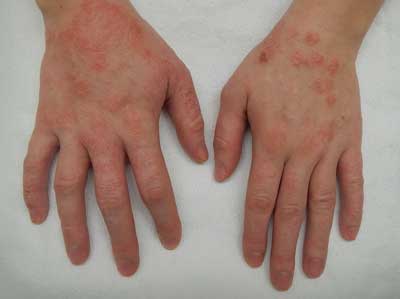
Common signs include:
- Dry, chapped, or scaly skin
- Redness or darker patches (depending on skin tone)
- Intense itching, burning, or soreness
- Small blisters that may weep or crust
- Deep cracks (fissures) that can bleed
- Thickened, rough skin in chronic cases
Symptoms often worsen with continued exposure to water or irritants.
Causes and Triggers
Hand dermatitis usually results from a combination of:
- Irritant contact dermatitis – frequent hand washing, detergents, solvents, sanitizers, or wet work
- Allergic contact dermatitis – nickel, fragrances, rubber accelerators, preservatives, or plants
- Underlying atopic dermatitis or genetic barrier defects
- Occupational exposures (healthcare, hairdressing, cleaning, food handling, mechanics)
Cold, dry weather and stress can intensify flares.
Effective Treatment Options
Successful management focuses on barrier repair and trigger avoidance:
- Frequent use of thick, fragrance-free emollients and ointments
- Topical corticosteroids or non-steroidal anti-inflammatory creams for flares
- Protective gloves (cotton-lined for wet work)
- Patch testing when allergy is suspected
- Short courses of oral medication for severe cases
Consistent nighttime moisturizing and minimizing wet-work exposure produce the best long-term results.
Prevention and Daily Care Tips
- Use lukewarm water and mild, soap-free cleansers
- Apply moisturizer immediately after every hand washing
- Wear gloves for dishwashing, cleaning, and chemical exposure
- Avoid fragranced products and harsh sanitizers when possible
- Choose cotton or soft liners under protective gloves
When to See a Dermatologist
Seek professional care if the rash persists despite home care, cracks and bleeds, interferes with work, or keeps returning. Early intervention prevents chronic thickening and secondary infection.
Frequently Asked Questions
- Is hand dermatitis contagious? No.
- Can it be cured? It is often chronic but highly controllable with proper care.
- Does hand sanitizer make it worse? Frequent alcohol-based sanitizers can damage the barrier—moisturize afterward.
- Should I get patch testing? Recommended for recurrent or unexplained cases.
- Best moisturizer for hand dermatitis? Thick ointments containing petrolatum, ceramides, or glycerin.
Hand dermatitis is manageable with the right combination of protection, moisturization, and medical treatment. Our board-certified dermatologists specialize in diagnosing and treating stubborn hand eczema, including occupational cases. Request an appointment at Palmetto Skin and Laser Center. Call (803) 329-6030 or book online—healthier, more comfortable hands are within reach.