
Irritant Dermatitis: Symptoms, Causes, Treatment & Prevention
Irritant dermatitis (also called irritant contact dermatitis) is one of the most common skin rashes. It develops when the skin is repeatedly exposed to irritating substances that damage the protective barrier. Unlike allergic contact dermatitis, no prior sensitization is required—anyone can develop it with enough exposure. Hands are most often affected, but any area of skin can react. The condition is especially common in cold, dry weather and among people who wash their hands frequently or work with chemicals.
Common Causes and Triggers
Frequent or prolonged contact with:
- Warm or hot water (repeated hand washing, bathing, or cleaning)
- Soaps, detergents, and dishwashing liquids
- Fragrances in cosmetics, deodorants, and moisturizers
- Solvents, alcohol-based sanitizers, and cleaning chemicals
- Acids, alkalis, or industrial agents encountered at work or during hobbies
Even mild irritants can cause problems when exposure is frequent or the skin barrier is already compromised.
What Does Irritant Dermatitis Look Like?
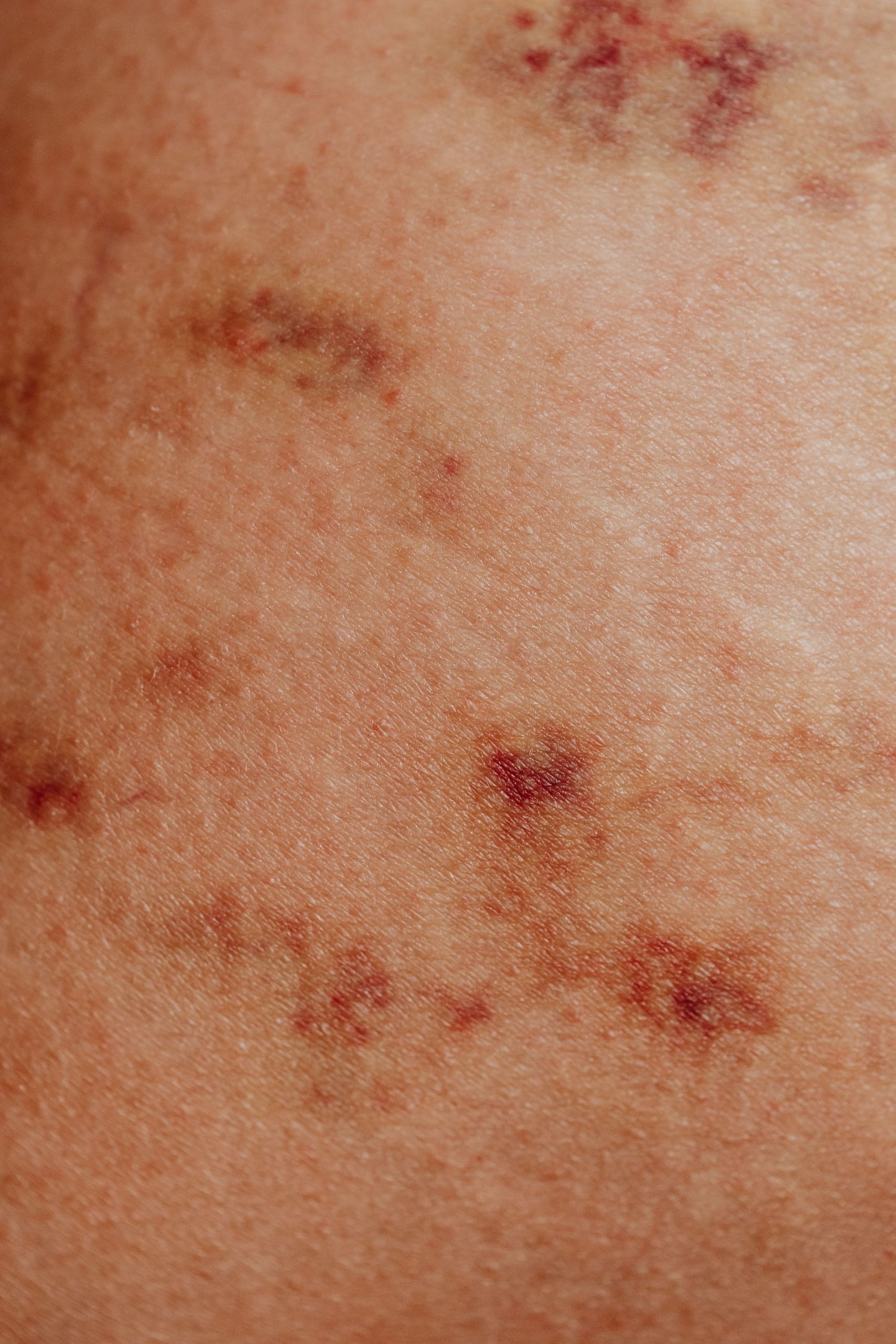
Typical signs include:
- Rough, red, or darkened skin
- Dryness, scaling, and flaking
- Burning, stinging, or mild itching
- Occasional small blisters in acute cases
- Cracking or fissuring with continued exposure
Symptoms usually appear quickly after contact and improve once the irritant is removed—though chronic cases can become stubborn.
Effective Treatment Options
The foundation of treatment is removing the source of irritation and repairing the skin barrier:
- Switch to mild, fragrance-free cleansers
- Apply thick emollients or ointments frequently (especially after washing)
- Use topical corticosteroids for inflammation when needed
- Protect skin with gloves during wet or chemical work
- Avoid hot water and harsh scrubbing
Most patients improve significantly within days to weeks with consistent barrier repair.
Prevention Tips
- Minimize wet work and hand washing when possible
- Moisturize immediately after every exposure to water
- Choose fragrance-free, hypoallergenic products
- Wear protective gloves (cotton liners under rubber gloves)
- Keep indoor humidity adequate during winter months
When to See a Dermatologist
Seek professional care if the rash is severe, spreads, becomes infected, or fails to improve with home measures. A dermatologist can distinguish irritant from allergic dermatitis and create a tailored plan.
Frequently Asked Questions
- Is irritant dermatitis contagious? No.
- How is it different from allergic contact dermatitis? Irritant is direct damage; allergic is an immune reaction that requires prior sensitization.
- Can it become chronic? Yes, with ongoing exposure—early intervention prevents this.
- Best moisturizer? Thick ointments with petrolatum or ceramides.
- Does it only affect hands? Hands are most common, but any area can be involved.
Irritant dermatitis is highly preventable and treatable with the right habits and medical support. Our board-certified dermatologists help patients identify triggers and restore healthy skin barriers. Request an appointment at Palmetto Skin and Laser Center. Call (803) 329-6030 or book online—comfortable, resilient skin is achievable.